BCB Group hosts Adan’s annual barometer on crypto adoption
Adan is proud to publish the fifth edition of its flagship annual study on the adoption of crypto-assets in Europe, conducted in partnership with Ipsos.
The study provides key insights into the sector’s dynamics across European countries, including the UK, France, Germany, Italy, Belgium, and the Netherlands. It covers aspects such as crypto awareness, acquisition interests, investor profiles, and savings allocated to crypto assets, alongside current usage trends, focusing in particular on investors’ relationships with their banks and their appetite for new services such as decentralised finance (DeFi) or tokenised funds.
Crypto has become mainstream in people’s minds. In line with the European average, 93% of UK people are familiar with at least one cryptoasset, whilst Germany maintains a slight lead at 94%. However, the UK remains the market where NFTs are best known (56%), whereas Italy and the Netherlands show a stronger level of understanding of stablecoins, at 29% and 27% respectively.
Adoption figures reveal diverging national trends, though data from previous years suggests the sector is entering a more mature phase. In the UK, 16% of the population report holding at least one crypto-asset, a slight decline from 19% in 2025. This marks the first drop in ownership in the UK and may partly reflect the lack of a regulatory framework comparable to MiCA.
By contrast, Germany and the Netherlands show continued growth, with adoption rates of 17% and 20%, respectively, well above those in France (11%), Italy (13%), and Belgium (15%). Notably, the share of savings allocated to cryptoassets is decreasing in the UK, Italy, and Belgium. However, the UK, along with Germany and the Netherlands, still leads in terms of the proportion of wealth invested in crypto, at 23%, 20%, and 19%, respectively. The study also looks at how investors allocate their holdings across different assets.
On average, investors in the UK and Belgium hold more cryptocurrencies (around three), while those in the Netherlands hold fewer (about 2.2). The top two assets remain consistent —Bitcoin and Ether. Although Solana typically ranks third, Ripple is gaining ground, particularly in Belgium, and even surpasses Solana in Italy. These differences likely reflect variations in ecosystem dynamics and local cultures.
For example, Belgium (through Brussels, home to SWIFT) sits at the center of global money transfer networks, which may help explain stronger public interest in XRP due to its perceived role in interbank settlements. Regarding intermediaries, specialised platforms still dominate, but cryptoassets are increasingly being integrated into everyday financial services such as neobanks and fintechs.
While most UK users continue to rely on platforms like Coinhouse, Kraken, and Coinbase (mirroring trends seen across Europe) the UK also has the highest share of investors using personal wallets. Interest in euro stablecoins is growing: whilst dollar-pegged instruments (USDC, USDT) still dominate the market (accounting for 70% of usage in this category), 53% of stablecoin users have already used a euro-denominated version, and 68% of those familiar with these assets say they are interested in using them. In the UK, 94% of holders have already used stablecoins. Their use for payments is more widespread, and one in two stablecoin users reports having already used these instruments to make a payment.
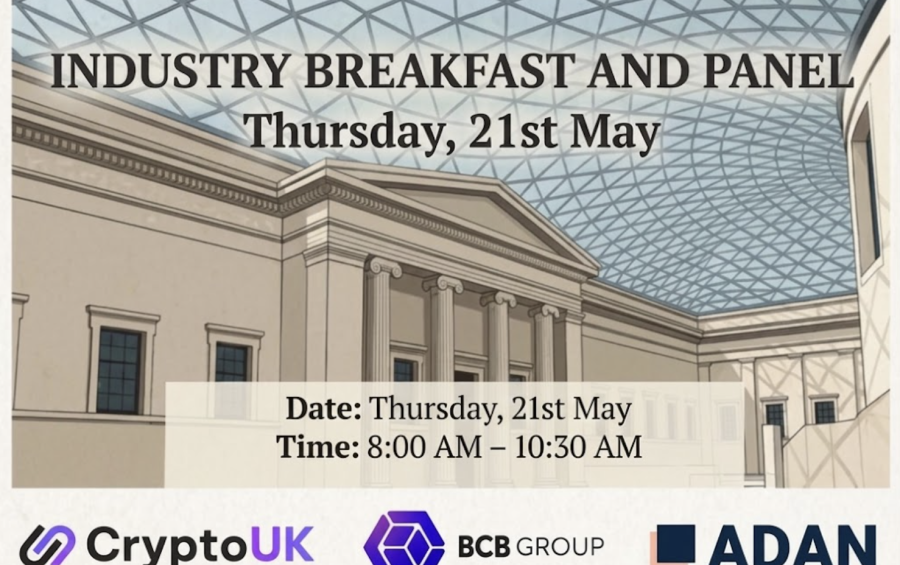
BCB Group is hosting an exclusive presentation of the 2026 Barometer on crypto-asset adoption in France and Europe.

Related Insights

Use cases for remittance providers
READ
BLINC Adoption Roadmap for Treasury Teams
READ
How Banks Are Navigating the Correspondent Banking Transition in 2026
READ
Beyond the Hype: Why x402 and Agentic Commerce Fix the 30-Year Micropayment Problem
READ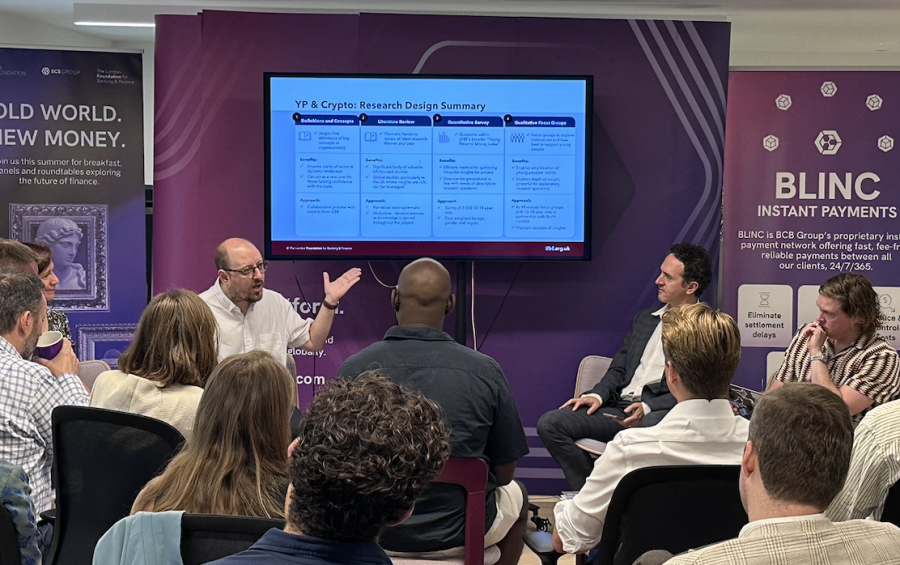
From awareness to understanding: unpacking Key Themes in Financial Capability: Young People and Cryptocurrency
READ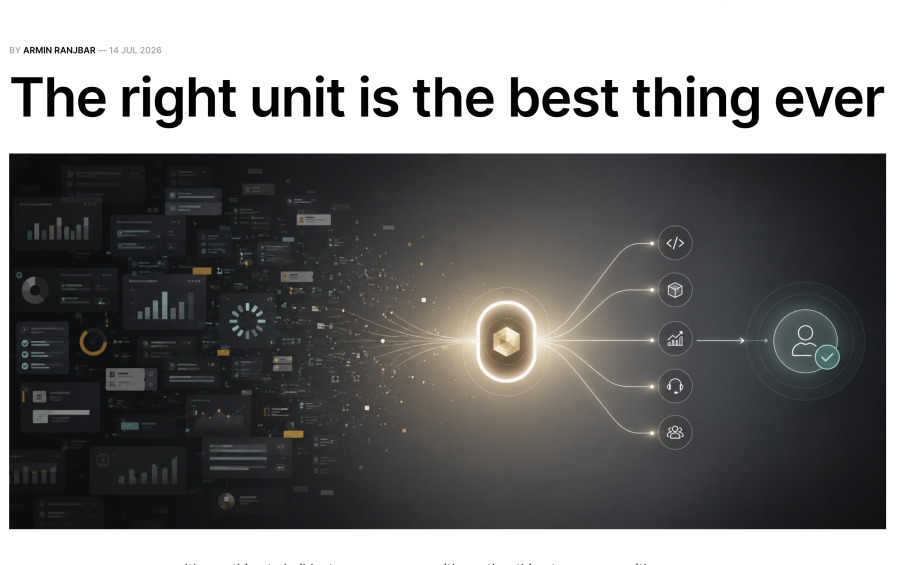
BCB Group CTO Armin Ranjbar on finding the right unit of progress
READ
Young People and Cryptocurrency: What the Next Generation Really Thinks About Digital Finance
READ